
Your Guide To Understanding Cannabis
Cannabis can be complex, but we're here to simplify it.
This page provides a simple overview of cannabis, covering the essential basics in a clear and accessible way. At Treehouse, we are committed to sharing accurate information to help build confidence and understanding of the plant.
If you’d like to learn more about cannabis, we encourage you to speak with your healthcare professional. For any general enquiries about Treehouse and our educational resources, you’re welcome to contact us directly.
CANNABIS 101
Getting started with the basics in Cannabis
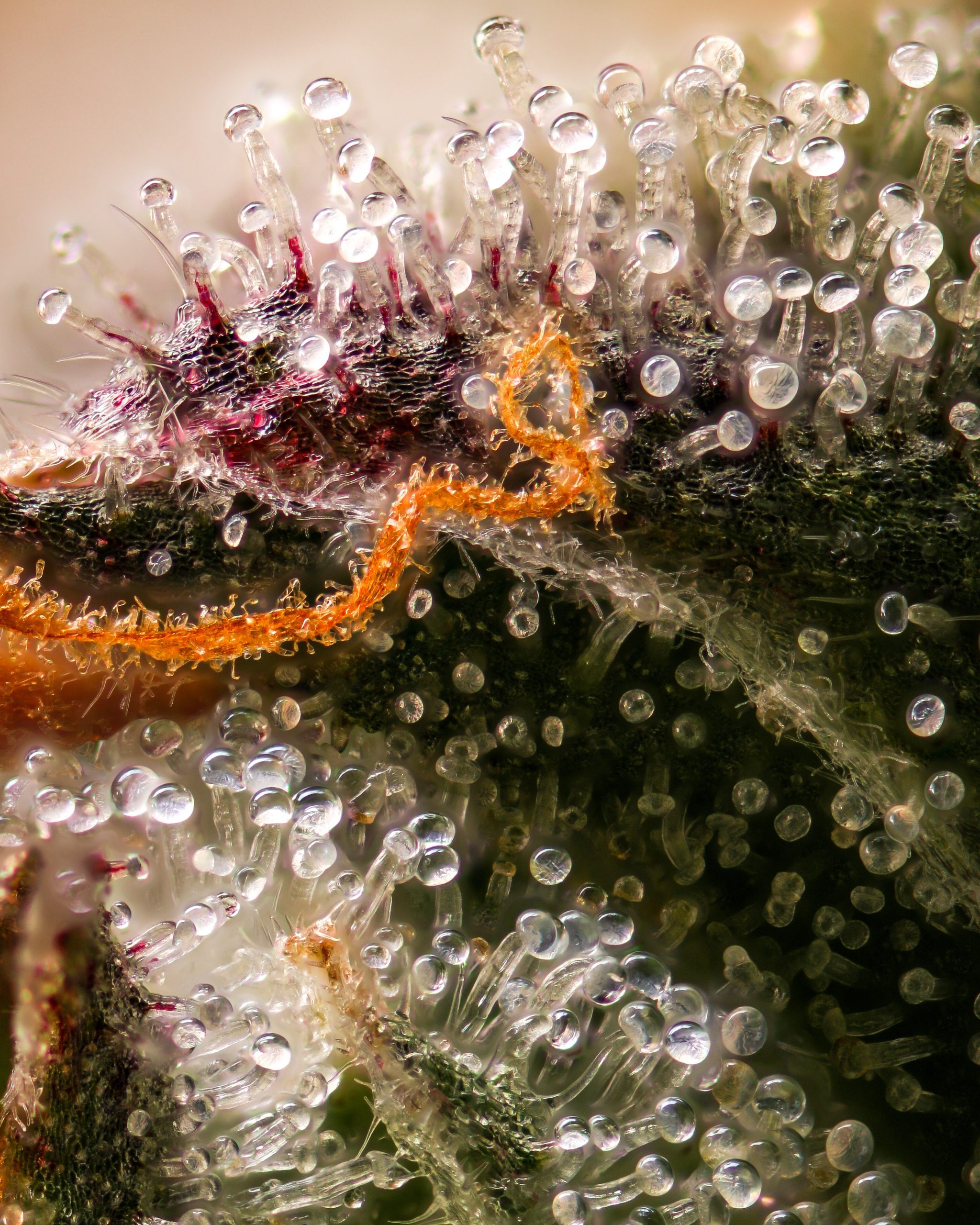
Cannabis is a flowering herb from the Cannabaceae family with a long history of medicinal, nutritional, and industrial use. Its resin, produced in tiny structures called trichomes, is rich in cannabinoids and terpenes. Cannabis is dioecious—meaning plants are either male or female—with female plants especially valued for their aromatic, cannabinoid-rich resin.
Male cannabis plants develop pollen sacs that release pollen to fertilise females, providing half of the genetic makeup for seeds. Typically taller and less robust than female plants, males are especially valued in hemp cultivation for their softer inner bark fibres, which are well-suited for fibre production.
Female cannabis plants produce resinous flowers containing more than 500 natural compounds. When left unpollinated, they develop larger, seedless buds with higher resin and cannabinoid content—known as sinsemilla—which are especially prized for consumption and medicinal use.
In modern cultivation, colas remain the prized clusters of buds that form at the tops of cannabis plants. Naturally, a single main cola develops, but growers often use a technique called topping—removing the plant’s central growth tip—to encourage multiple colas to form. This redirects the plant’s energy into side branches, resulting in a bushier structure with several medium-sized colas rather than one dominant bud. The outcome is a more even canopy, improved light penetration, and increased overall yields.
After harvest, female cannabis buds undergo drying and curing—a post-harvest process designed to enhance potency, flavour, and stability. Proper curing reduces harsh chlorophyll, locks in terpenes and cannabinoids, and prevents mould. Once fully cured, the finished buds are ready for use: typically ground up before being consumed,
CANNABIS CULTIVARS
Cannabis Cultivars
Cannabis encompasses a remarkable diversity of cultivars, each defined by distinct aromas, potencies, and therapeutic effects. Through generations of selective breeding, growers have developed plants tailored to meet a wide range of patient needs and medical conditions. Today, estimates suggest there may be thousands to tens of thousands of distinct cultivars, with new ones emerging all the time—and the exact total depends heavily on how “distinct” is defined.
Landrace cannabis strains are naturally occurring varieties that adapted over centuries to the unique climates and conditions of their native regions. Modern cultivars, by contrast, are the result of carefully crossbreeding these landraces to highlight desirable traits—such as higher yields, richer flavours, and tailored cannabinoid profiles—reflecting both traditional heritage and contemporary innovation.
Cannabis breeding is the deliberate selection of parent plants that display desirable traits—such as elevated THC or CBD levels, unique terpene profiles, or natural resistance to pests and disease. By cross-pollinating and stabilising these genetics over successive generations, breeders can develop cultivars with consistent potency, refined aromas, and enhanced resilience.
Although “strain” has become the most common way to describe different types of cannabis, the accurate botanical term is cultivar—short for “cultivated variety.” In plant science, strain is generally reserved for microbiology, whereas cultivar refers to selectively bred plants that exhibit unique and stable traits.
INDICA VS. SATIVA
Indica and Sativa Origins
Cannabis is often categorised as indica, sativa, or hybrid. Originally, these terms described the plant’s geographic origins and physical traits, though today they are used to describe the expected effects. While there’s no direct link between a plant’s appearance and its effects, these labels help to manage expectations.
Due to strict Australian regulations surrounding the advertising of medicinal cannabis, Treehouse is unable to provide detailed information about potential effects or uses on this page. We encourage healthcare professionals to register for access to our portal, where product and clinical resources are available. Members of the public interested in learning more are encouraged to review information from trusted sources such as the Therapeutic Goods Administration (TGA) and the Australian Department of Health, Disability, and Ageing, or to speak with a registered healthcare professional for personalised guidance.

SATIVA
Physical Traits: Tall, thin plants with narrow leaves.
Origin: Equatorial regions such as Colombia, Mexico, Thailand, and South-East Asia.
Speed to Flower & Yields: longer flowering time (10-16 weeks) with moderate to high yields.

INDICA
Physical Traits: Short, bushy plants with broad leaves
Origin: Mountainous regions such as Afghanistan, Pakistan, and India.
Speed to Flower & Yields: Faster flowering time (6-9 weeks) with high yields.

HYBRIDS
Physical Traits: Vary depending on dominant genetics; can display a balance of tall/thin and short/bushy traits, with leaves ranging from narrow to broad.
Origin: Created by crossbreeding indica and sativa varieties, often tailored to achieve specific effects, resilience, or cultivation benefits.
Speed to Flower & Yields: Flowering time is usually intermediate (8–12 weeks) but can lean toward either parent strain; yields are often optimized by breeders to balance quality with consistency.